
Timeline of General Silica Dust Awareness and Regulations
January 17, 2024Overview of Artificial Stone-Induced Silicosis
January 19, 2024Blog
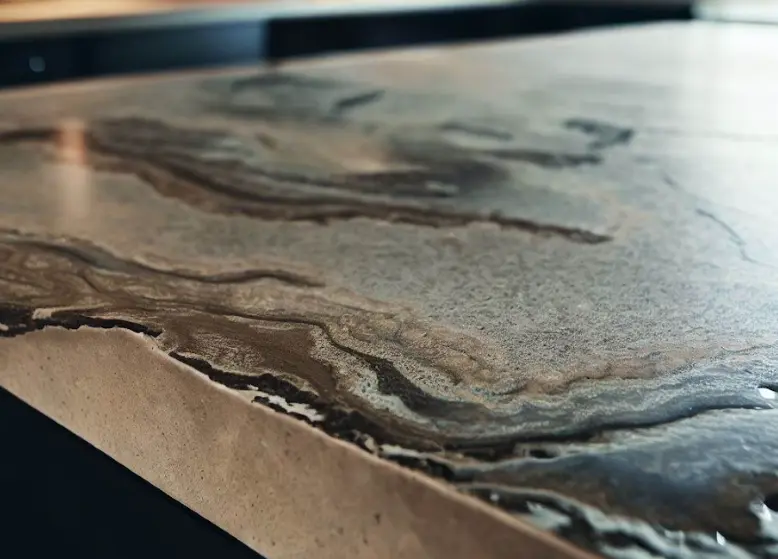
Overview of Artificial Stone
What is it?
Artificial stone, also known as engineered stone, synthetic, quartz, or agglomerate, is a composite material made by binding crushed stone (primarily quartz) with adhesive, typically polyester resin. Invented in the 1970s, it's widely used for countertops, primarily manufactured in large factories worldwide that produce large slabs that must then be fabricated in small local shops before being installed in kitchens and bathrooms.
Manufacturing Process:
- Raw Material: Quartz is mined, crushed, and sorted.
- Resin & Pigments: Chemical plants produce polyester resin (from acids, alcohols, styrene, and peroxide) and pigments.
- Combining & Shaping: Crushed quartz, resin, and pigments are mixed, molded, compacted, heated, and cured in manufacturing plants.
- Fabrication & Installation: Artificial stone slabs are shipped globally and require local fabrication by cutters, fabricators, and polishers (often immigrants working in small shops). These workers use various powered tools and chemicals to cut, grind, polish, and install the final countertops.
Key Points:
- Major constituent: Crystalline silica (quartz).
- Primary use: Kitchen and bathroom countertops.
- Global manufacture: Companies in several countries (Italy, Israel, Spain, etc.).
- Local fabrication: Small shops typically employ workers to fabricate slabs into finished countertops.
- Fabrication involves cutting, grinding, polishing, and installing, using specialized tools and chemicals.