
Cosentino and Silicosis Lawsuits: A Closer Look
February 13, 2024Dekton® Material Safety Data Sheet Concerns: A Closer Look
February 9, 2024Blog
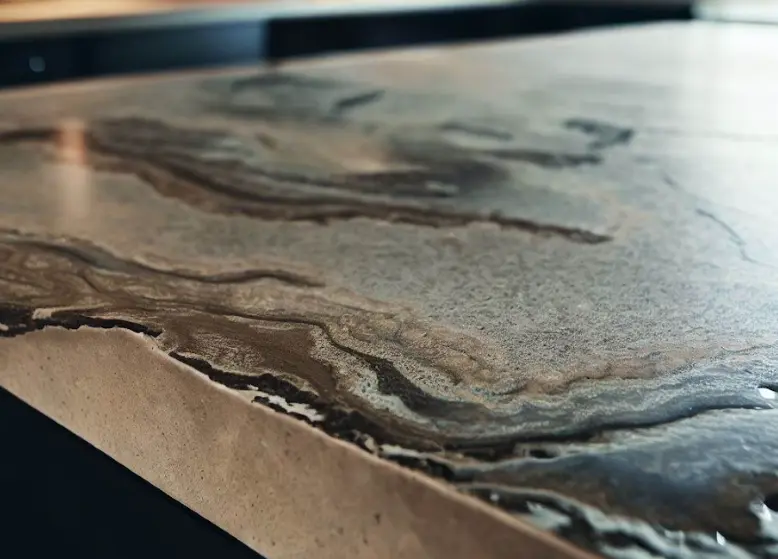
Cosentino and Silicosis Lawsuits: A Closer Look
In July 2015, journalist Younes Nachett published articles in Spanish newspapers outlining cases of silicosis among workers exposed to Cosentino's Silestone, a quartz-based countertop material. Cosentino issued a response through their Director of Communications, Santiago Alfonso Rodriguez, denying responsibility and offering clarification.
Cosentino's Arguments:
- Misleading Statements: Cosentino claims the articles contain false and misleading information about Silestone causing illnesses and deaths. They maintain their materials are safe when handled properly.
- Improper Handling: The onus is placed on employers to ensure proper dust control measures with water irrigation, ventilation, and appropriate personal protective equipment like respirators. They argue failure to implement these measures, not Silestone itself, is the cause of silicosis.
- Transparency: Cosentino highlights their commercial materials and labels clearly outlining Silestone's composition and potential health risks since 2005, emphasizing employers' responsibility for worker safety awareness.
Points to Consider:
- Worker Health: While emphasizing proper handling, Cosentino doesn't explicitly acknowledge the inherent risk of crystalline silica dust in Silestone during fabrication. Studies link silicosis to quartz exposure, even with safety measures.
- Employer Responsibility: While employers play a crucial role in workplace safety, product manufacturers also have a duty to communicate potential hazards effectively and provide complete safety information.
- Legal Implications: Cosentino's letter reserves the right for legal action, highlighting the ongoing legal disputes and complexities surrounding worker liability versus manufacturer responsibility in such cases.