Spain’s Surge in Artificial Stone Silicosis: What the Data Reveals and Why It Matters Globally
February 5, 2026
Silicosis and Quartz: A Turning Point or Just a Stopgap?
September 23, 2025How advancing technology is reshaping screening, diagnosis, and worker protection
Crystalline silica artificial stone fabrication exposes workers to extremely high concentrations of respirable crystalline silica — a hazardous dust that can trigger fast‑moving and irreversible lung damage. While traditional screening tools such as chest X‑rays, spirometry, and even some CT imaging often fail to detect the earliest stages of the disease, recent scientific advances show that artificial intelligence (AI) can help identify biological signals of silicosis far sooner than conventional diagnostics.
As cases of artificial stone silicosis continue to rise around the world, AI‑powered tools are emerging as a crucial advancement in early detection and worker safety.
AI‑Enhanced Breath Analysis: A New Frontier
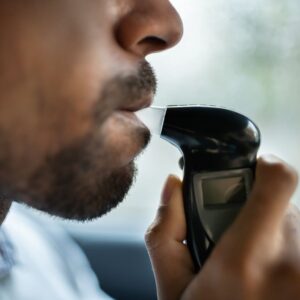
A 2025 study found that AI models analyzing exhaled breath can identify volatile organic compound (VOC) patterns associated with early silicosis with high accuracy. These tools combine mass spectrometry with machine‑learning techniques to isolate chemical biomarkers long before structural lung damage appears on imaging
This type of breath‑based screening is:
- Noninvasive
- Fast
- Suitable for large workforce testing
- Capable of detecting disease before symptoms emerge
For workers exposed to crystalline silica artificial stone dust, this may allow earlier intervention and removal from hazardous environments.
AI in Radiology: Enhanced Sensitivity Beyond Human Interpretation
High‑Resolution CT remains the most reliable imaging method to identify artificial stone silicosis. But new research shows that deep‑learning models applied to chest X‑rays can outperform traditional radiology interpretation — even identifying subtle changes not easily visible to the human eye.
A 2025 machine‑learning study demonstrated:
- Nearly perfect accuracy in distinguishing affected lungs from healthy ones
- Strong ability to classify disease severity
- Improved recognition of patterns that may predict disease progression
Although diagnosing early progressive massive fibrosis remains challenging, AI‑based radiology tools show significant promise for earlier and more consistent detection.
Blood Biomarker Modeling: AI‑Driven Patterns in Routine Lab Work
Researchers are also applying AI to analyze inflammation and immune markers in blood samples. A 2024 study found that machine‑learning analysis of common lab results could reliably distinguish among:
- Healthy workers
- Workers with early or “simple” silicosis
- Workers beginning to develop progressive massive fibrosis (PMF)
This raises the possibility that future routine bloodwork — enhanced by AI interpretation — could provide yet another early‑warning system.
Why Speed Matters in Artificial Stone Silicosis
Artificial stone silicosis progresses rapidly — sometimes within months to a few years of exposure. Once scar tissue forms, the damage is permanent.
AI’s ability to accelerate detection offers several potential benefits:
- Earlier removal from exposure
- Better monitoring of at‑risk workers
- More efficient medical follow‑up
- Improved opportunities to slow disease progression
AI cannot replace medical professionals, but it can support earlier, more precise screening that improves outcomes for exposed workers.
Need More Information?
If you have worked with artificial stone or believe you may have been exposed to respirable crystalline silica dust, you deserve clear answers and trustworthy guidance.
👉 Please contact us at https://stonesilicosis.com/contact/
or call 866‑476‑8111 for more information about artificial stone silicosis.
FAQs
1. Can AI detect silicosis before symptoms appear?
Yes. Several emerging AI tools — including those analyzing breath samples, blood markers, and medical imaging — can identify early biological changes associated with silicosis before structural damage becomes visible. Early detection is especially important because artificial stone silicosis can progress quickly.
2. Are AI‑based breathing tests reliable?
Recent research shows that AI‑enhanced breath analysis can distinguish silica‑related disease patterns with high accuracy. While still being validated in clinical settings, these tests show strong potential as a screening method for large groups of workers.
3. Does AI replace CT scans or other imaging?
No. AI is used to augment medical interpretation — not replace it. It enhances sensitivity, helps identify subtle abnormalities, and supports physicians in making faster, more informed decisions.
4. How quickly can artificial stone silicosis progress?
In many workers, significant lung damage can develop after only a few years, or even just months of exposure. The aggressive nature of silica in crystalline silica artificial stone makes early detection especially critical.
5. Should exposed workers ask their doctors about AI‑based tests?
It may be helpful to discuss emerging technologies with a physician familiar with occupational lung disease. While not all clinics offer AI‑assisted tools, awareness is growing, and research continues to move rapidly.