LOTTE CHEMICAL CALIFORNIA, INC. Left Workers Unprotected and Uninformed About the Dangers of Producing Artificial Stone
March 19, 2024M S INTERNATIONAL, INC. Omitted Safety Warnings for Stone Products
March 25, 2024Blog
LX HAUSYS AMERICA, INC. Misled Stone Workers
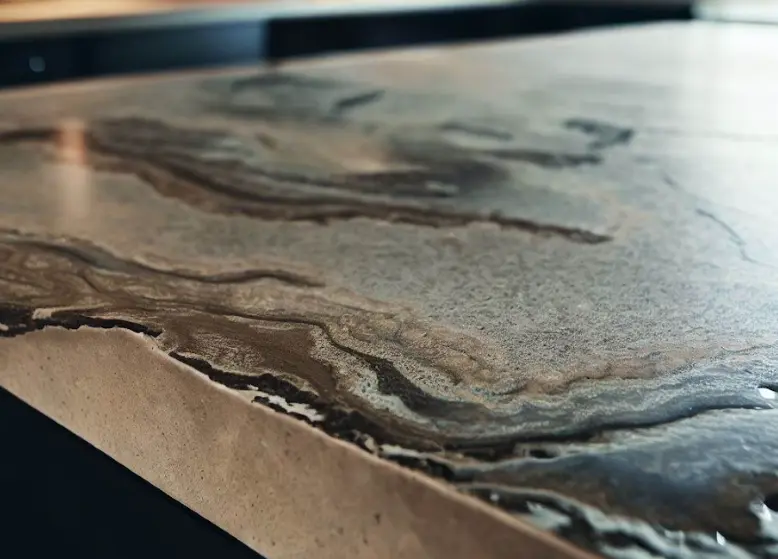
LX Hausys America, Inc., a subsidiary of the Seoul-based LX Hausys Ltd., has been at the forefront of producing surfacing materials, including the well-known Viatera® engineered stone, since its establishment. With manufacturing facilities spread across the globe, including a significant presence in the United States, the company has positioned itself as a leader in the surfacing industry. However, a critical examination of their safety practices, particularly in the context of their Safety Data Sheets (SDS) for Viatera, reveals a concerning pattern of inadequate hazard communication and potentially misleading information regarding the health risks associated with their products.
The company's 2015 Safety Data Sheet for Viatera® engineered stone, which is primarily composed of quartz, a known source of crystalline silica, provides hazard statements that are at best, vague, and at worst, dangerously misleading. Phrases like "May cause cancer" and "Causes damage to organs through prolonged or repeated exposure" fail to convey the gravity of the risk posed by crystalline silica exposure, which is a recognized carcinogen and a primary cause of silicosis, a fatal lung disease. This lack of specificity does a disservice to workers, leaving them ill-equipped to understand or mitigate the risks associated with handling the material.
Moreover, the precautionary statements listed in the SDS, such as "Obtain special instructions before use" and "Do not breathe dust/fumes/gas/mist/vapors/spray," are so generic that they border on being unhelpful. The absence of explicit instructions on the necessity of using air-supplied respirators during fabrication is a glaring omission, given the well-documented hazards of crystalline silica dust. Such omissions not only undermine worker safety but also suggest a concerning lack of commitment to transparent and effective hazard communication.
The 2020 update to the Viatera SDS, while rectifying some previous errors and omissions, continues to fall short in adequately addressing the health hazards associated with the product, particularly silicosis. Despite acknowledging the presence of crystalline silica, the document still does not provide clear, actionable guidance on protective measures specific to preventing silicosis, a critical concern for those in the stone fabrication industry.
The inadequacies of LX Hausys America's safety documentation raise significant questions about the company's approach to worker safety and regulatory compliance. The failure to provide clear, accurate, and comprehensive hazard information not only contravenes the spirit of the Hazard Communication Standard but also places workers at undue risk of serious health conditions.
As a leading manufacturer in the surfacing industry, LX Hausys America has a responsibility to ensure that its products are accompanied by thorough and transparent safety information. The health and well-being of workers handling engineered stone products must be a priority, and this begins with clear, comprehensive, and accurate hazard communication. The company must revisit its safety documentation practices, with a focus on enhancing clarity, specificity, and adherence to regulatory standards, to truly uphold the principles of safety and transparency in the workplace.