
The Legal Doctrine of Implied Warranties: A Pathway to Justice
May 9, 2024Products Liability – Failure to Warn
May 2, 2024Blog
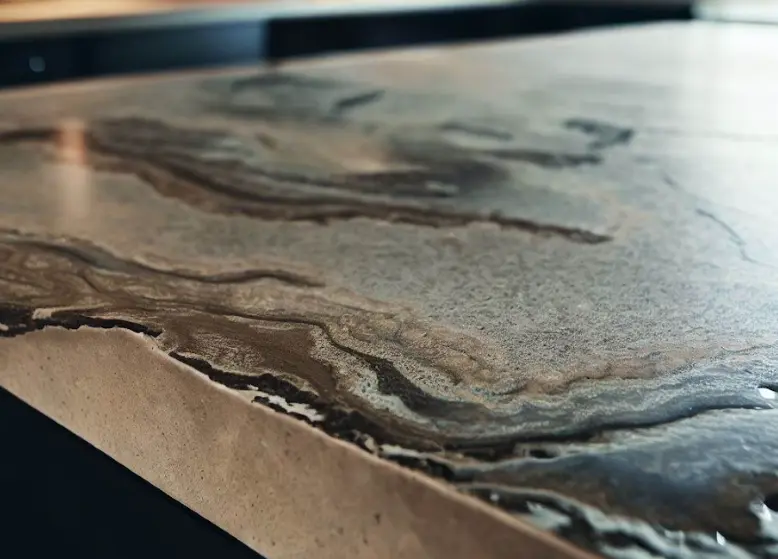
Inherently Dangerous Stone Products: How to Hold Manufacturers Responsible
Products liability design defect cases are critical in holding manufacturers accountable for injuries caused by inherently dangerous products due to poor design. These lawsuits hinge on the principle that every product released into the market should be safe for its intended use, or at least come with adequate warnings about potential hazardous risks. A compelling example of such a case involves a person who works as a countertop fabricator and installer, exposed to hazardous artificial stone slab and block products.
The heart of this legal battle lies in the claim that the manufacturer, importer, supplier, and/or distributor defectively designed artificial stone products, failing to foresee or adequately warn about the safety hazards inherent in their use. Specifically, artificial stone products are defective because they cannot be used safely - as an ordinary worker would expect when used in an intended or reasonably foreseeable manner. Moreover, the risks inherent in the design of these products outweigh their benefits, making them unsuitable and unsafe for use.
Design defect cases underscore a fundamental expectation in product design: Safety. Products, especially those used in occupational settings, should be designed considering the user's safety and well-being. Artificial stone products, even when used as intended in fabricating and installing countertops, expose workers to stone dust, leading to serious diseases like silicosis—a lung disease caused by inhaling silica dust particles.
Another critical aspect of design defect lawsuits is the concept of foreseeability. Manufacturers and distributors are expected to anticipate how their products might be used or misused in a reasonably foreseeable manner. Manufacturers and distributors know that artificial stone products will be used without inspection for defects and without knowledge of the hazards involved in their intended use. Yet, artificial stone manufacturers and distributors fail to design their products to account for these foreseeable risks, as required by law.
Injuries sustained by occupational workers that use artificial stone, including silicosis and other related medical conditions, are a direct result of the design defects in artificial stone products. Exposure to silica, metals, and other toxins contained within artificial stone products are substantial in bringing about and aggravating an exposed workers’ medical condition. This exposure, and the resultant health issues, highlight the gravity of design defects in products, particularly those used in occupational settings.
Design defect cases also shed light on the broader responsibilities of manufacturers and distributors. Beyond just designing safe products, there's a duty to warn users of potential dangers and to provide instructions for safe handling and use. The failure to do so not only constitutes negligence but also shows a disregard for public safety.
In addition, design defect cases serve as a powerful mechanism for enforcing accountability and driving improvements in product safety. They remind manufacturers and distributors that cutting corners in product design can have dire consequences, not just in terms of legal liabilities but also in the loss of trust and reputation. For consumers and workers, these lawsuits underscore the importance of being vigilant and informed about products used on a daily basis.
In conclusion, product liability design defect lawsuits play a pivotal role in ensuring that the products we use are safe and that manufacturers and distributors are held accountable for design oversights. They push industries towards better safety standards and practices, ultimately protecting consumers and workers from easily preventable harm.