
Fraudulent Concealment: The Importance of Transparency
May 14, 2024Inherently Dangerous Stone Products: How to Hold Manufacturers Responsible
May 7, 2024Blog
The Legal Doctrine of Implied Warranties: A Pathway to Justice
Breach of implied warranties is a critical concept in product liability law, particularly when consumers or workers suffer harm from products they assumed were safe and fit for their intended use. This concept is vividly illustrated in cases where individuals, such as occupational workers exposed to hazardous artificial stone products, experience serious health consequences due to the inherent dangers of these products. The legal framework surrounding implied warranties serves as a protective measure, ensuring that products meet certain minimum standards of safety and effectiveness, even when such guarantees are not explicitly stated by the manufacturer or distributor.
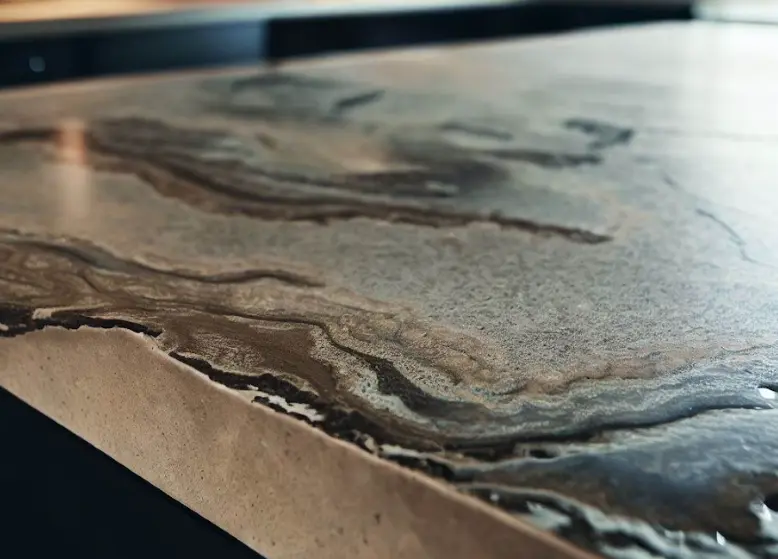
In the case of artificial stone products, there is an implied warranty that these products are safe and fit for the purpose of fabricating and installing countertops. This implied warranty extends to the consumer assumption that artificial stone products meet the standards of quality and performance generally accepted in the marketplace, and function safely in a manner consistent with the expectations of an ordinary user under normal use.
However, there is a stark contradiction between these implied assurances and the reality faced by artificial stone workers. Artificial stone products, laden with toxic substances such as silica and metals, are not safe. The exposure to these toxins, inherent in the normal use of such products, leads to the development of silicosis - a severe lung disease - among other related health issues. This life threatening outcome starkly deviates from what any reasonable user would expect from materials intended for countertop fabrication and installation, highlighting a significant breach of the implied warranties of fitness for a particular purpose and merchantability.
A breach of the implied warranties lies at the heart of a claim for non-economic damages in this context. Not only are artificial stone products unfit for their intended use, but their hazardous nature also inflicts serious injuries upon artificial stone workers, manifesting as a debilitating medical condition. As a result, there is a substantial financial burden placed on such injured workers due to exorbitant medical expenses and lost income.
The implications of such breaches extend far beyond the immediate physical and financial toll on an injured worker. There is a broader responsibility that corporations bear in ensuring that their products do not pose hazardous dangers its consumers. The principle of implied warranties acts as a foundational element of consumer protection, obligating those who introduce products into the marketplace to stand behind the safety and suitability of their goods. When corporations fail to meet these obligations, the legal system provides a mechanism for injured parties to seek redress, holding these corporations accountable for the harm caused by their products.
Cases involving breaches of implied warranties, particularly in the product liability context, emphasize the crucial role of legal standards in safeguarding public health and consumer rights. They serve as a stark reminder of the importance of vigilance, transparency, and accountability in product manufacturing and distribution. For individuals harmed by corporations that fail to live up to their implied promises of product safety and quality, the legal doctrine of implied warranties offers a pathway to seek justice and compensation for injuries and losses, reinforcing the fundamental principle that no product should carry hidden hazardous dangers that imperil the health and well-being of its consumers.