How to Find a Doctor Who Specialize in Diagnosing Silicosis
May 21, 2024Media Spotlight on Silicosis Epidemic
May 28, 2024Blog
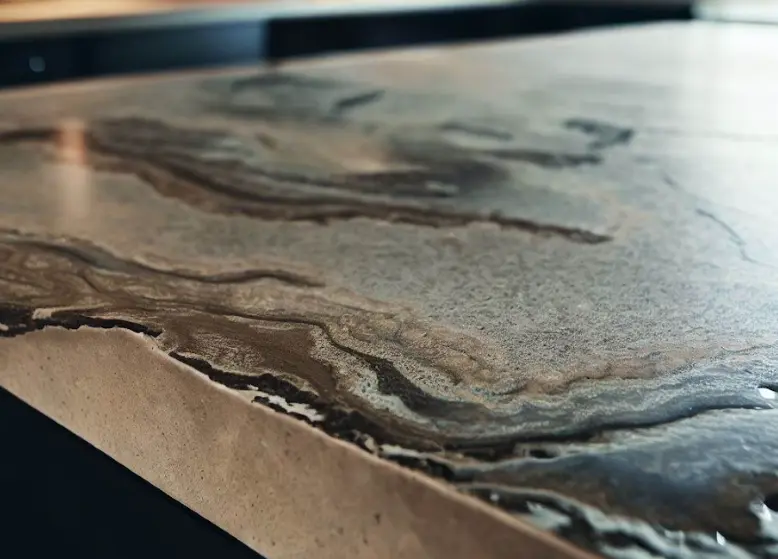
Lack of Workplace Safety Measures in the Artificial Stone Industry
In recent years, the burgeoning popularity of artificial stone countertops has illuminated a grim reality within the industry: a dire lack of adequate safety measures to protect workers from the lethal dangers of silica dust exposure. The current standards set by CAL-OSHA and federal OSHA, though sufficient for working with natural stone, fall critically short when it comes to artificial stone. This discrepancy has left countless workers vulnerable to severe health problems, including the deadly lung disease, silicosis.
Artificial stone, unlike its natural counterparts, is laden with a much higher volume of ultrafine or nanosized silica particles. These minuscule particles, far smaller than those found in natural stone, pose a unique hazard as they can more easily penetrate deep into the lungs, causing severe and often irreversible damage. Despite this significant risk, the protective measures recommended by OSHA standards—wet-cutting methods, exhaust ventilation, and various types of respirators—are not adequately equipped to combat the nano-sized peril posed by artificial stone dust.
The stark reality is that workers in artificial stone fabrication shops are being exposed to silica dust concentrations that are multiple times higher than OSHA's permissible exposure limits. With no controls in place, exposure levels can skyrocket to 46 times the permissible limit, a figure that is not only alarming but outright dangerous. Even with the implementation of OSHA-approved control methods, exposure levels can remain significantly above safe limits, revealing a glaring gap in worker protection.
The only truly effective methods to prevent disease from silica exposure are the use of full air-fed positive pressure respirators or a complete ban on the manufacture and sale of artificial stone. However, these solutions come with their own set of challenges. Full air-fed respirators, while highly effective, are expensive and cumbersome, making them a less viable option for many workers and employers. On the other hand, a ban on artificial stone, though it would undoubtedly be the most effective measure in preventing silica-related diseases, seems unlikely given the material's popularity and widespread use.
This situation is further compounded by the World Health Organization's assertion that there is no safe level of exposure to silica dust. This means that any amount of silica dust, no matter how small, can potentially cause health problems, including silicosis and lung cancer. This stark warning underscores the urgent need for more stringent safety measures in the artificial stone industry to protect workers from even minimal exposure to silica dust.
Workers are exposed to silica dust through various means, including direct exposure within their immediate breathing zone during fabrication processes, bystander exposure from nearby workers, and secondary exposure from resuspension of settled dust or inhalation of water particles containing dust. Each of these exposure pathways represents a health risk that needs to be mitigated through comprehensive safety measures.
Resources such as the CDPH's Silica Safety Resources for Stone Fabricators and various state and federal health advisories provide valuable information and guidelines for protecting workers. However, the persistent high rates of silicosis and other silica-related diseases among artificial stone workers indicate that current measures are not enough.
It is imperative that the industry, regulatory bodies, and health organizations work together to develop and enforce more robust safety standards that take into account the unique hazards posed by artificial stone. This includes not only improved respiratory protection but also comprehensive dust control measures and rigorous health surveillance programs to monitor workers' exposure and health outcomes.
The health and well-being of artificial stone workers must be a priority. It is unacceptable for workers to face life-threatening illnesses simply because the safety standards in their industry fail to recognize and mitigate the hazards of the materials they work with. It is time for a concerted effort to overhaul workplace safety measures in the artificial stone industry, ensuring that all workers have a safe environment in which to earn their livelihoods.